Wenn aktiviert werden Animationen deaktiviert
Wenn aktiviert werden keine oder kleinere Bilder geladen
Wenn aktiviert wird ein helles statt dunkles Design genutzt
Setzt die primäre Ausgabesprache der Website fest
Selektiert wenn vorhanden die bevorzugte Audioausgabe
Selektiert wenn vorhanden die bevorzugte Videoqualität
Hebt wenn vorhanden den ausgewählten Hoster hervor
Filtert die Updateliste auf der Startseite
Wir speichern deine Serien unter deiner SerienFans-ID # und in einem Cookie. Solltest du deine Liste löschen wollen, lösch einfach deine Cookies. Du kannst deine SerienFans-ID nutzen um deine Liste auf mehreren Geräten abrufbar zu machen.
Aktiviert Benachrichtigungen für dieses Gerät
Kein Problem wir benachrichtigen dich gern. Alles was du dafür tun musst, ist deinem Browser einmalig die Erlaubnis erteilen, dass wir dir Benachrichtungen schicken dürfen.
Du kannst deine Einstellungen jederzeit wiederurfen, Serien entfernen oder neue hinzufügen.
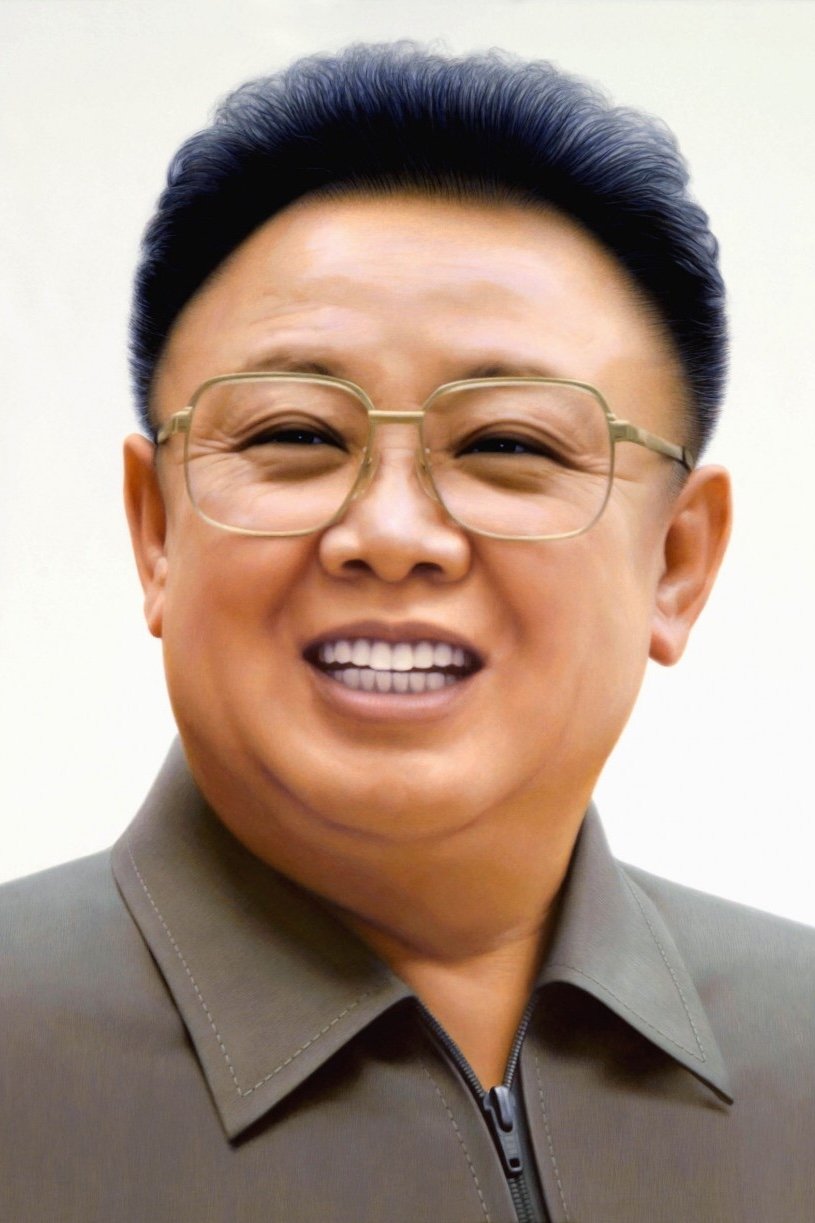
Kim Jong Il, born Yuri Irsenovich Kim on 16 February 1941, was a North Korean politician who was the second President of North Korea. He led North Korea following the death of his father Kim Il Sung in 1994 until his own death in 2011, when he was succeeded by his son, Kim Jong Un. Afterwards, Kim Jong Il was declared Eternal General Secretary of the WPK. In the early 1980s, Kim had become the heir apparent for the leadership of North Korea, thus being established the Kim dynasty and he assumed important posts in party and army organizations. Kim was the General Secretary of the Workers' Party of Korea (WPK), WPK Presidium, Chairman of the National Defense Commission (NDC) of North Korea and the Supreme Commander of the Korean People's Army (KPA), the fourth-largest standing army in the world. Kim assumed leadership during a period of catastrophic economic crisis amidst the dissolution of the Soviet Union, on which it was heavily dependent for trade in food and other supplies, which brought a famine. Kim strengthened the role of the military by his Songun ("military-first") policies, making the army the central organizer of civil society. Kim's rule also saw economic reforms, including the opening of the Kaesong Industrial Park in 2003. Following Kim's failure to appear at important public events in 2008, foreign observers assumed that Kim had either fallen seriously ill or died. On 19 December 2011, the North Korean government announced that he had died two days earlier, whereupon his third son, Kim Jong Un, was promoted to a senior position in the ruling WPK and succeeded him.